Tuesday, 14 May 2013

Cherry-Chocolate Ice-cream made with Yonanas


While making a raw vegan carrot cake with my friend Amelia we got a little peckish so I decided to quickly whip up a quick batch of sexy ice-cream so I could show off my new 'Yonanas' gadget. I had a bag of frozen cherries in the freezer and we'd been chatting about chocolate sauce (for whatever reason. like there needs to be a reason!) so we decided to make cherry-chocolate ice-cream.

The recipe (4 normal portions or 2 uber-portions)

For the ice-cream
400g of frozen sweet cherries
250g frozen sliced bananas

For the chocolate 'ripple' sauce
100ml date syrup
50g raw cacao powder

To make the sauce
Stir the cacao powder into the date syrup until smooth. Adjust as per your own taste.

To make the ice-cream in a Yonanas
Take frozen fruit out of the freezer and allow to thaw slightly for about 20 minutes. Run through the machine as per manufacturers instructions in a sequence of banana, cherry, banana, cherry, banana...etc. Immediately stir the sauce through or drizzle on top, and serve!

To make in a food-processor
Place frozen fruit into processor and pulse until it forms crumbs. Leave to thaw for a few minutes then pulse again. Repeat the pulse/rest sequence until it has formed creamy soft ice-cream. Stir in the sauce or drizzle on top. Serve immediately.

Enjoy!


Monday, 17 September 2012

Recipe: Rose and Raspberry ice-cream with Pomegranate | low fat raw vegan

Copyright 2012 Star Khechara

I love making my own healthy vegan ice-cream. This is my latest extravaganza - so good for you, you can even eat it for breakfast (as I did!).

Raspberry & Rose Ice-Cream with Pomegranate

For 2 large servings you will need:
3 punnets of fresh ripe raspberries
4 medium bananas, sliced and frozen overnight
100% natural rosewater
The jewelled seeds from half a pomegranate (I cheated and bought a punnet of seeds ready prepared)

To make the sauce:
Blitz 1 punnet of raspberries in a food processor with 2 tablespoons of rosewater and set aside

The make the ice-cream:
Blitz the frozen banana slices and raspberries in a food processor until they turn into pink creamy ice-cream. You will need to pulse and rest, pulse and rest to break it down properly.
The ice-cream will be very soft at this stage so transfer to a tub and place in the freezer for at least half and hour to firm up.

To assemble:
Add scoops of ice-cream to your favourite sundae glasses, drizzle generously with the rose-raspberry sauce and top with lashings of shiny pomegranate seeds

Enjoy the inevitable *mouthgasm*

Facelift Facts

Both Pomegranate and Raspberries are rich in a polyphenol called 'Ellagic Acid'. This anti-oxidant has been shown to interrupt the skin-wrinkling processes, to slow down collagen breakdown and to protect against sun-ageing too. (1)

What a delicious way to rejuvenate your skin!

1. Bae JY et al Exp Dermatol. 2010 Aug;19(8):e182-90."Dietary compound ellagic acid alleviates skin wrinkle and inflammation induced by UV-B irradiation".


In beauty,  Star

Copyright 2012 Star Khechara


Tuesday, 21 August 2012

Thai-inspired Creamy Noodles | raw vegan


You're sitting at home dreaming of spicy creamy noodles, but uh-oh you're on a raw vegan diet! What's a girl to do? Make my Thai-inspired creamy noodles of course. 100% raw vegan and 200% yummilicious.

There is only 2 tricky ingredients, one is that you will need a good spiral slicer. I use the Spirali from Detox Your World  it's brilliant and makes gorgeous noodles from courgettes and other vegetables. The other tricky ingredient is raw coconut milk - this you can get from an actual young green 'jelly' coconut or, if they are in short supply like in my town, you can buy amazing Dr Martin's raw coconut milk which has a mere 2g of fat per 100ml (unlike the tinned stuff which is cooked and super-fatty).

So you'll need 

2 courgettes per person
1-2 ripe red peppers (I love those pointy Romero types)
Red onion and spring onion (to taste)
Dr Martins Coco milk (just enough to coat the courgettes)
Fresh coriander
Tiny bit of hot chilli (optional)
2-3 fresh or soaked dates.

How to make

Spiralise the courgettes to make the noodles and set aside.
Julienne the pepper to make thing strips and mix in with the noodles
But everything else in a food processor and blend until thick and smooth
Pour the sauce over the noodles and let it marinade for 20-30 minutes
Serve up in bowls or plates and decorate with fresh coriander and spring onion slivers


Yes, it really does taste as good as it looks.

Enjoy
xoxo Star

Thursday, 12 July 2012

Does fruit make you obese? big fat lies...


Credit: http://artemistics.files.wordpress.com

 I recently came across a very disturbing article by UK 'nutritionist' Zoe Harcombe, the article was titled "Fruit is fuelling the obesity epidemic" and it aims to warn anyone who needs to lose weight, away from eating fruit.

Readers of my blog will know that I promote fruit as nature's wonder food for health and beauty, it is one of our most fundamentally nutritious foods and contains many essential vitamins and anti-oxidants, it is also our healthiest source of carbohydrates.

Zoe's provides no scientific sources or citations for her statements and therefore I can only conclude that she has some strange hidden agenda to stop people eating fruit. She tells us that she is 'horrified' when she hears of parents trying to give their children fruit and offers us trite statements from non-nutritional experts about how giving fruit juice to a child is akin to offering them Coca-Cola or beer!

She claims that fruit has little nutritional value and so is not worth it's 'fattening' properties.

Let the debunking begin!


The images of the data aren't very clear in the video so I have reproduced them here:

Vitamins in Beer
Vitamins in Coca-Cola
Vitamins in fresh Orange Juice
So is fresh fruit juice really as bad as berr and soda? I think not.

Zoe also says that fruit is basically un-nutritious and is only good for Vitamin C and Potassium. Let's see how wrong she is:

So this is the data for a snack of mangoes I often have in the afternoon. Just 2 mangoes - a mere 400kcal. Wow is that 242% of my pro-vitaminA, 72% of my folates, alsmost half of my B6 and 60% of my Vitamin E (plus a generous whack of Vitamin C).


So this is the vitamin data for a Canteloup melon, which is quite a small melon and at less than 300kcal just a snack. But what a nutritious fruit is is: 918% of pro-vitamin A, almost half my folates, good amounts of the B vitamins and a huge helping of Vitamin C.


This is the mineral data for my melon snack, as you can see for a snack of less than 300kcals if has a good selection of minerals too.


Here's the vitamin data for a small meal of 5 nectarines, plenty of vitamin A, B3, C and E


Here's the vitamin & mineral data for my favourite breakfast smoothie of oranges and mango. Oustanding amounts of A, Folates, B1 and C, super amounts of B5 and B6 and good amounts of B2, B3 and E.

Plenty of bioavailable Calcium, Copper and Potassium, Good amounts of Magnesium and Manganese. Good ratio of Calcium to Phosphorous 2:1 (meat is high phosphorous and low calcium which causes calcium loss from the body)

As you can see Zoe's statements about fruit are simply untrue.

Obesity is well researched and the causes remain the same; high-fat, high-refined sugar junk food diet, alcohol and lack of exercise.

Family expenditure on fruit and vegetables has decreased while spending on junk foods, soda and alcohol has risen [Family Spending Survey 2003-2004] as quoted in this recent Daily Mail article 'Blowout Britain'

In beauty,
Star XOXO

Monday, 2 July 2012

Fruit4Beauty |10 lies about fruit


In this modern world of highly processed fattening, adddictive junk food there seems to be a strange fashion for demonising one of our most healthy of foods; fruit.

For those readers not initiated into the field of nutritional science, allow me to add my professional stance on this matter: FRUIT IS ONE OF THE MOST NUTRITIONAL & HEALTHY FOODS ON THE PLANET.

...and don't let anyone tell you otherwise. Here's a dissection of the top 10 myths and lies from the fruit-phobic hymn book.

1.  Fruit is fattening

It is simply laughable that anyone would actually believe this. Obesity rates are rising while we eat less fruit than we ever have. Recent studies on diet amonst the lower-income demographic (which is where most obesity in the uk occurs) show that fruit is rarely, if ever eaten - less than 1 portion of 80g per day. [Low income diet and nutrition survey - Food Standards Agency]

Obesity wasn't even a recognised condition before 1997 as it was so rare. Fruit consumption since the 1950s has been falling and so it doesn't take much of a leap of conciousness to see that it cannot be the fault of fruit.

You only have to observe what obese people eat to know that it isn't true. Every 'reality TV' shows about weightloss show the diets of obese people being made of cheap, stodgy junk foods like chips, pies, sausage rolls, bacon rolls, fry ups and soft drinks - no fruit at all.

Zoe Harcombe is a big promoter of this myth and despite her outspoken attempts to 'educate' us, she cannot even provide any science to back her up. One of her popular articles 'Fruit is fuelling the obesity epidemic' has only 3 references, 2 are about cancer one the third was about pesticides!!

Obesity levels only rise in previously unindustrialised countries, as incomes rise and the financial freedom to buy junk and processed foods. If one studies and tracks the epidemiology of obesity, we see it happens alongside industrialisation.

The obesity problem has many causes from eating too much, chronic yo-yo dieting, genetics, underlying illness, psychological problems, low income food budgeting (high fat junk is cheap) and food marketing - these guys spend MILLIONS on tests to work out how to make us eat more of their product. One thing is for sure, no obese person got that way from simply eating fruit.

Image crom: http://topnews.net.nz/content/220315-eat-healthy-shed-extra-weight

2. Fruit is bad for you because it's hybridized

If hybridization is so bad for us, you better stop eating. period. Why? EVERYTHING you eat is hybridized unless you are roaming in the wilds and picking your own food. Every berry, leave, fruit, vegetable and domestic animal is hybridised.

But the anti-fruit brigade only ever tell us about fruit, and go on to extoll the virues of meat (Paleo fruit-phobes) or greens (raw vegan fruit phobes).

To illustrate, here's some images of the original wild counterparts to various hibridised foods:

Image source: http://tinycamper.wordpress.com/2010/05/14/wild-edible-foods-in-my-yard/
Wild lettuce has small thin spiky leaves and a very bitter taste. Nothing like our fat mild juicy Romaines, Butterheads and Icebergs.

image source: http://www.aphotoflora.com/d_daucus_carota_subspecies_carota_wild_carrot.html
As you can see a wild carrot is tiny, tough and pale - nothing like those big orange juicy roots so popular for juicing in the health scene. Try and juice enough of those!

For those paleo fruit-phobes, the animals you eat are all domesticated and bred to be completely different from the original wild animals they were 'selected' from. (I won't show pix as I do not promote a meat-based diet for health or ethical reasons)

So if hybridisation is genuinely unhealthy, then the rule needs to be applied to every food on the planet pretty much. This should not be silly reason given as a need to avoid fruit.

3. Fruit causes tooth decay

If that was really true then most western civilisations (with their distinct lack of fruit in the diet) would have perfect teeth, no cavities and dentists would be out of work. What we really have is a nation with so much dental decay that when a new NHS dentist opens there are queues going on for miles in some cases. Nobody has good teeth anymore due to many factors which include our diet. Weston Price noted in his famous book Nutrition & Physical Degeneration that tooth decay, as well as a whole host of dental issues, was more prevalent in individuals and cultures that had moved away from a  traditional wholefoods diet into a more western or industrialised diet that contain refined foods and junk foods.

The top 5 causes of tooth decay, according to dentists, are: Poor oral hygiene practices, Poorly formed enamel (pre-birth, childhood and genetic), poor diet - which includes lots of refined sugars, Dry mouth conditions (sub-clinical hydration is a known factor in tooth decay) and Tooth Grinding (Bruxism).

No mention of fruit then...

4. Fruit is just 'sugar and water'

I have heard several people say this, one being the afore mentioned Zoe Harcombe who seems to think that fruit is the devil's work and other poorly qualified or non-trained lay people. I once heard someone advise a dancer to eat 'hot cross buns for energy as fruit is just sugar and water'.

I need to stress at this point, if anyone does actually tell you this big fat fruit lie, they have NO knowledge of nutrition at all.

Fruit has a wide nutritional profile - anyone reading my blog will know this, as I often give the full nutrient breakdown of my fruit meals - including fats, healthy carbs, proteins, minerals and vitamins.

Just to illustrate, here is a breakdown of the minerals and vitamins in one of my favourite 800kcal breakfast smoothies:

Vitamin profile - look at all that Pro-vitamin A & Folate!

Mineral profile - did you know that oranges are high in bio-available calcium
So much for being 'sugar water'.


5. Fruit is too high in sugar


Hopefully the above post already covered this somewhat but lets start with a little biological science for you. The primary fuel of the human body is Glucose, yes SUGAR. Sugar is so essential to cellular functioning that if we don't eat enough foods containing 'sugars' then our bodies cleverly break down fats to convert to glucose instead. This process is rather wasteful and inefficient, but it is necessary as without enough sugar we die - it's a simple as that. Consider how complex our blood sugar regulation systems are, we have special feedback systems with hormone activation for if the blood sugar is too high OR too low.  Why is this so sophisticated?  as I said before without a constant stream of glucose to our cells and especially to our brain, we die.

The problem is we've thrown out the baby with the bathwater and lumped all healthy carbs under the banner 'sugar' without differentiating between whole carbs and isolated sugars, or 'intrinsic' and 'extrinsic' sugars.

Intrinsic sugars are those that naturally occur inside a wholefood, such as the carbohydrates inside fruit, vegetables and grains. Extrinsic sugars are those that have been removed from their natural food source and isolated, this can also mean sugars that have been artificially manufactured.

To keep it simple just think: intrinisc sugars/carbs are ESSENTIAL and extrinsic sugars/carbs are to be avoided at all costs. All table sugars (no matter how 'raw' or 'organic') are extrinsic as are things like molasses, honey, agave nectar, date syrup, yacon, Xylitol, Sucanet, palm sugar, coconut sugar.

Healthy intrinisc sugars are whole fruits, whole grains and starchy vegetables like sweet potato and squash.

There is LOTS of confusion around this area and words like Carbs, Sugars and Starches are often used incorrectly.

To bust the lie apart though, fruit is not 'too high in sugar' as all natural whole fruits are low to medium on the Glycaemic Index and have a low Glycaemic Load - this by default makes them low sugar foods. Unlike refined grains (pasta, white bread etc) which is high on the glycaemic index (can you see the irony here about someone saying that fruit is just sugar but hot cross buns are ok) and therefore a high sugar food. The highest sugar foods are foods that are manmade with lots of refined sugar and refined grain (cake, chocolate and candy).  Isolated sugars are all super-high on the glycaemic index with isolated glucose in pole position at 100.

6. Fruit juice is just as 'bad' as drinking coca cola/soda

I think my answers to 3 and 5 should already prove how ridiculous this myth is. However I have to ask - what do they mean by 'fruit juice' as there is a world of nutritional difference between freshly squeezed OJ from your own bought-in organic oranges and say, Sunny Delight - which at only 5% 'juice' and 95% a load of rubbish could be argued as being as bad as a soda - and rightly so (how they were ever legally allowed to refer to it as juice is anyone's guess).

Soda = water with a ton of isolated sugars added and some flavouring

Juice = freshly squeezed from naturally occuring fruits rich in many vitamins and minerals

You decide.

7. Fruit is just for dessert or snacks


Human biology does not recognise 'dessert' or 'snacks' it just recognises the need for fuel (glucose) and nutrients (fatty acids, protein, vitamins and minerals).

Eat nutritional foods at all times of the day and not according to some manufactured label of when and how to eat.

8. Fruit is expensive


So is ill-health. But more to the point, says who?? I know plenty of people who play the 'too expensive' card when faced with a £1.50 mango but say nothing when buying a £3 pint of beer (or even several £3 pints of beer). Compared to takeaways, smoking, DVDs, Sky Sports subscription, Dominos Pizza, alcohol, following fashion, fase nails, fake tan, glossy magazines (can't believe some of these are a fiver!).

You get the picture. Fruit is crazily cheap compared to all of the above and yet those saying it's expensive are usually the ones paying for those items.

If you care about your health, start by stopping lying to yourself. Fruit is not expensive compared to the other 'luxury' items in your budget.

I have known people to claim 'I can't afford to eat organic' while buying £45 worth of cannabis.

Not judging. what you spend you money on is your business, but be honest. It's not that fruit is expensive its that you would prefer to spend your money on other stuff. Health is not your priority, I understand that. Health isn't for everyone - just for the elite. JUST KIDDING it is available to everyone so get off your bum and stop making excuses.

NB I used to be one of those people, I was a party girl and could easily rack up a £70 bar bill in a weekend and I still had to buy my shopping (about £30 a week back then) plus my smoking habit (£20-£30) a week. So that all added up to £130 per week. I now spend just £100 and it's all on food, mostly organic fruit. I am healthier and happier and it was cheaper to become healthy.

9. Fruit causes diabetes/cancer/candida/other scary disease

And cakes cure leprosy.  Just like with obesity, fruit is getting the blame for a whole host of serious health complaints and yet - FRUIT CONSUMPTION IS VERY LOW!! Diabetes type 2 is very well researched and the epidemiology is very clear - it is mostly found in overweight, males over 40 who lead a sedentary lifestyle and have a diet high in animal foods (fat and protein) and refined industrialised foods. I suggest you hop onto PubMed and have a little search about in the vast database of real science and see for yourself.

Cancer, diabetes and every single other degenerative disease are also known as 'diseases of civilisation' why is this? because they are mostly unheard of in cultures who still live a natural ife with a local diet of wholefoods and plenty of physical activity. Certain cancers are correlated with red meat intake, and others with dairy intake - whether that is down to the food itself or because of all the hormones and other additives used in factory farming, hasn't yet been ascertained.

Fruit being low GI is neither a cause nor an issue for diabetics.

As for cancer, fruit is the one main source of anti-cancer phytochemicals and much research has been done about the cancer-fighting and cancer-preventing properties of fruit.

"It has been estimated that 30–40 percent of all cancers can be prevented by lifestyle and dietary
measures alone. Obesity, nutrient sparse foods such as concentrated sugars and refined flour
products that contribute to impaired glucose metabolism (which leads to diabetes), low fiber
intake, consumption of red meat, and imbalance of omega 3 and omega 6 fats all contribute to
excess cancer risk." [Donalson, M. Nutrition Journal 2004, 3:19]

Do the research, we live in a toxic world with toxic manmade foods - and we're blaming industrialised diseases on fruit? It's comical, it really is.

10. Fruit gives you diarrheoa

Hmmmm this can seem to be true  but lets have a closer inspection. When one experiences bowel disfunction after fruit it is usually a combination of things. Fruit is a fast digesting food and only stays in the stomach for 30 minutes before being shown the door and pushed into the small intestine where it remains to be broken down. When fruit is eaten as 'dessert' after a heavy meal it gets trapped in the stomach for longer and it's transition time through the GI tract is increased, this leads to fermentation.

Because fruit is so quick to digest it is best eaten before a heavy meal and best eaten with other fruits or salads not mixed in to some heavy high fat concoction. Never eat fruit as a dessert.

If one rarely eats fruit then switches to a diet much higher in fruit, there can be a transitional period where the digestion becomes out of sync and needs to readjust. This can show up as both constipation or diarrheoa. This is also sometimes called 'detox' where your body uses the fuel and the fibre from fruit to 'clean house' and get rid of old matter that might've been stuck to the colon (yuk!)

Not all of the body's functions are a bad thing.

11. You can get potassium poisoning from bananas

And pigs might fly. If you ate 4000 bananas in 10 minutes then yes it is possible. Is that humanly possible? doubtful. It takes 10 bananas just to get the RDA for potassium which is the minimum you need to prevent a deficiency.

So that's a big fat NO.

(see how I snuck an extra one in there!)

In beauty,
Star XOXO


Friday, 22 June 2012

Lavender Strawberry Ice-Cream Hearts | Raw Vegan Nut-Free

I recently taught a class on using essential oils in cooking, as part of a 2 day Diploma in Organic Essential Oils course that I teach with NHR Organic Oils. 

I have been working with essential oils for about 18 years in my work as a skincare formulator and tutor and teaching this aspect of oils reminded me how much fun they are to use in food; not just the oils but the hydrosols too (Hydrosols are the aromatic distilled waters that occur as a by-product of essential oil distillation). So last night I was feeling creative and wanted to make a fancy new dessert (yes, I love my sweet food!) and decided to indulge my olfactory glands with the addition of some organic essential oils.

Lavender-strawberry ice-cream heart with strawberry, rose & orange salad

Ingredients for the hearts (to make about 4 hearts)

4-5 bananas, sliced and frozen overnight
Large handful of organic strawberries
4-5 drops of organic lavender essential oil*


Ingredients for the strawberry side-salad
1 punnet of organic strawberries
the finely grated zest of half an organic orange
1 tablespoon of organic rosewater*

*only use certified organic essential oils and hydrosols in food

1. Make the ice-cream hearts
Put your frozen banana slices into a food processor and pulse until they become frozen crumbs. Leave for 5 minutes. Pulse again and use a spatula to push down the banana crumbs as they try to creep up the sides. Keeping resting and pulsing until it becomes much softer and then you can turn the power up and let it whip itself into lovely creamy soft-scoop ice-cream.

Now throw in handful of chopped strawberries and your lavender oil and blend until smooth.

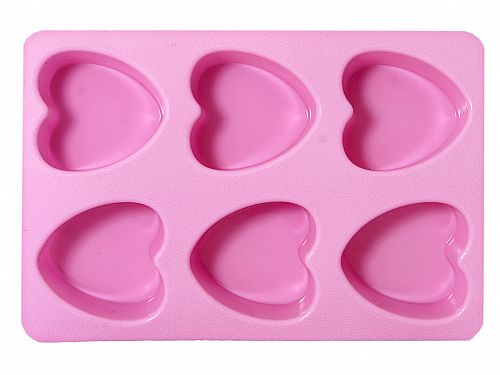
Transfer your soft ice-cream to a silicon baking tray that has heart shapes, like this one:


2. Make the strawberry, rose & orange side-salad

Finely chop an entire punnet of juicy organic strawberries. Finely grate the zest of half an orange. Add the zest and strawberries to a bowl and drizzle rosewater over them. Mix well and set aside for a few hours while the ice-cream hearts firm up.


To serve
Add a heart to a shallow bowl or plate and arrange to strawberry salad around the heart in a pretty manner. This is a super-healthy dessert that you can enjoy anytime. I had one for breakfast this morning!


Strawberries are very rich in Vitamin C which is an essential nutrient for collagen production, eat this dessert to get younger by the mouthful.

Enjoy!
xoxo Star

Monday, 18 June 2012

Fragrant Moroccan-Inspired Fruit Salad with Rose

I love this time of year as all the delicious orchard fruits like nectarines, apricots, peaches and cherries are making an appearance. Armed with a kitchen stocked to the rafters with delicious fruits I created this delightful fruit salad with the middle eastern fragrance of orange zest and roses, the decadent caramel sweetness of fresh dates and the mouthgasmic juiciness of pomegranate jewels, nectarines and cherries.

Ingredients (to serve 1 fruitarian as a main meal or 2-4 people as a starter/dessert/snack)
4 ripe juicy nectarines
30 or so sweet ripe cherries
3 fresh fudgy dates
Half of one giant pomegranate (or 1 normal-sized one)
1 UK Tablespoon of organic* 100% natural rosewater
Grated zest of 1 organic** orange

*most rosewater found in shops is fake and made of synthetic chemicals, order organic from a respected aromatherapy supplier such as NHR organic oils to make sure.
**only use organic oranges for zest as they haven;t been coated in wax and/or pesticides

To assemble
Stone the nectarines and slice into little pieces
Stone annd destalk the cherries then chop into halves
Stone and slice the dates into tiny pieces
Break open the pomegranate and remove the little jewels

Place all the fruit in a large mixing bowl and then add the freshly grated zest. Drizzle in the rosewater and give everything a good stir. Set aside in the fridge to let all the flavours combine.

Serve in cute bowls with a sprinkling of grated zest and fresh rose petals if you have them (I lack a garden sadly).

Eat. Enjoy. Swoon.
*mouthgasm*


Saturday, 21 April 2012

Pina Colada: Alcohol-free and 100% delicious


I used to love throwing sweet juicy cocktails down my thristy gullet, but not since I became a living, breathing example of organic rejuvenation. There's no place in the Facelift Diet for skin-shrivelling booze!

But the sexiest thing is, you can make delicious 'mocktails' using yummy facelift foods, not only booze-free but rich in beauty nutrients.

Try my recipe for Pina Colada


You need:

1 juicy ripe pineapple (is your pineapple ripe? - video)
2 juicy limes
Coconut water from 1-2 green coconuts of one small carton of coco water

To make:

Top and tail your pineapple and cut off the peel. Cut the pineapple into long wedges and then use a knife to remove the woody core. Add to blender.

Juice the limes andd add the juice to the blender

Pour in the coconut water and blend until it is a creamy, dreamy tropical smooth drink.

Serve with ice and lime wedges for the ulitmate 'me time' beverage

Enjoy!


Friday, 6 April 2012

Top 5 luxury raw food recipe blogs (food porn alert!)

I love trawling through other peoples recipe blogs, especially healthy raw foods. There are some geniuses out there who create tantalising morsels of yumminess from simple ingredients like fruits, nuts, seeds and vegetables. If you enjoy healthy juicy foods but still like to create fancy dishes, check out these blogs - they are my favourite top 5:

1. Uncooking 101
Created by Eva Rawposa and contributed to by many others. This blog features a 'recipe directory' to die for. Recipes are catagorised into: Raw drinks | Raw Breakfasts | Raw Breads and Crackers | Raw Dips and Dressings | Raw Snacks and Side Dishes | Raw Soup | Raw Salads | Raw Entrees | Raw Desserts

uncooking101.com screenshot
2. The Raw Chef Blog
By Russell James aka The Raw Chef. This is a good site for those Cordon Bleu wannabes, Russell makes some 5 star raw foods that look like they are created for royalty! I don't make complex recipes like these personally but I love to drool over the stunning photography. If you love 'Food Porn' you will love this site.

TheRawChef.com screenshot

3. Sweetly Raw
Heather Pace's blog is like peering into a high-class chocolatier/cake boutique. Not only is the girl deliciously gorgeous herself but her puddings and treats are to die for. She also sells some wonderful ebooks, I have her ice-cream one which is not only full of the best raw ice-cream recipes I have ever seen, but its also beautifully designed too. Although I don't eat these kinds of raw foods (too rich for me) I do love her creativity with raw foods and presentation.

SweetlyRaw.com screenshot
4. Golubka
This is a food blog with feeling, a rich weaving of life, food and culture. Golubka features some really decadent looking treats and has created some lower fat versions for the health-concious (raw gourmet foods are notoriusly high-fat). I love the stories that go with each recipe and the feeeling of being immersed in their family life. There are even special cute raw recipes for children and babies.

http://g0lubka.blogspot.co.uk screenshot

5. The Happy Raw Kitchen
This blog is really down to earth but still features really gorgeous recipes. You must try her raw version of Ben & Gerry's Cherry Garcia ice-cream - it's on my to-do list!

http://thehappyrawkitchen.blogspot.co.uk screenshot
I hope you enjoy drooling over these blogs as much as I did.

Wednesday, 4 April 2012

Caramel Apples with Fat-Free Vanilla Ice-cream | Gluten free, Dairy free, egg free, vegan


This is an unbelievable delicious and decandent dessert, you'd never realise it was fat-free, vegan, raw, nut-free and created from 100% fruit (ok apart from the cinnamon).

I sometimes have this for breakfast because health is yummy at anytime of the day.

This recipe calls for some preperation the night before, so have a read though before you attempt making.

You need
Apples about 2-3 per person
Dates (soaked overnight) about 2-3 per person
Bananas (ripe!) about 2-3 per person
Raisins about a handful per person
Oranges (freshly juiced)
Cinnamon
Vanilla (fresh pods or natural extract)

You will also need a food processor

Prep the ice-cream:
Peel, slice and freeze your bananas overnight. That's it.

Prep the apples and caramelise them:

Peel, core and slice your apples then place in a mixing bowl. Next place you soaked dates into the food processor with enough OJ to whizz up into a runny sauce. Add some cinnamon and blend again.
Pour the sauce over the apple slices and mix thoroughly. Add your raisins and mix well again.

Leave the bowl in the fridge overnight. The sauce will 'cook' the apple making it soft.

The next day, when in the mood for pudding divide your caramel apples up into bowls and then make the ice cream

Vanilla Ice-Cream
Simple add your frozen banana slices to your food processor until you have 'crumbs' then leave to stand for 5-10 minutes. Pulse again then rest, pulse and rest until you have white soft 'mr whippy' style ice-cream. You may have to use a spatula to keep pushing the banana back down into the processor. Once it is all soft and 'ice-creamy' add a good splash of vanilla essence or the scrapings from inside a vanilla pod.

Serve immediately before the ice-cream melts

Low Fat Healthy Mince Pies (not just for Christmas!)

I have a confession. I LOVE mince pies. I used to be able to eat an entire 6 pie box and it wasn't even christmas! These days I am much healthier and no longer stuff my gullet with refined sugar, white flour and suet (yuk!) but I still like to make 'treats' for myself and I get a kick out of re-inventing old favourites into healthy versions that will actually feed my skin and make me vibrantly healthy.

Traditional mince pies are far too high in empty calories, fat and gluten for me to offer them as a 'facelift food', luckily it is possible to make a super-healthy-just-as-tasty version. It's not quite an enclosed pie but its a delicious substitute made with almost identical ingredients (dried fruit, apple and citrus). I call it the Mince Pie Pudding and here is the recipe for you:

Mince Pie Pudding


Ingredients

10 dates soaked overnight in enough water to cover
8 small apples peeled, cored and sliced
3 oranges juiced with a citrus juicer/lemon squeezer
Ground almonds (1-2 tsp per person)
Cinnamon powder - about 2-3 tsps
Nutmegs
200g raisins/sultanas

How to make

1. First make a sweet n spicy citrus sauce by processing together the soaked dates, orange juice and cinnamon. It should be the consistancy of a creamy salad dressing - of too thick add more juice, if too thin add another soaked date or two. Add as much spice as you like!

2. Once the sauce is nice and smooth, add your apple chunks, raisins and grate about a third of a nutmeg into the processor, now gently pulse the machine until your have a chunky blend with visible pieces of apple (albeit rather small pieces).

3. Next get as many ramekin dishes as you need and place 1-2tsp of the ground almonds in each ramekin. Tamp down firmly the ground almonds so that it forms a kind of 'pastry' on the bottom and is firmly held together. Now pile on your 'mincemeat' and fill the ramekin.

4. Place the ramekins in the fridge to firm up for at least an hour, remove from the fridge once firm and chilled and enjoy. As a certified mince pie fan I guarantee you will love these healthy festive puddings.

Rejuvenating Coconut Spinach Soup

This super-nutritious soup is very easy and is literally a green smoothie that's quite thick and eaten from a bowl as soup.


Ingredients

To serve 1

    Half a ripe Hass avocado
    Coconut water from 1 or 2 mature coconut(s)
    2 -3 large handfuls of organic spinach
    Fresh coriander to taste
    Juice from 1 lime
    2 sping onions
  

To make


Put everything in a blender or processor and blend until smooth. Add more coconut water if it's too thick and adjust the seasoning to your taste.

Serve in soup bowl and spinkle a finely chopped spring onion on top.

Facelift Food Facts
Coconut is hydrating and is isotonic; contains the same electolyte balance as the body fluids

Spinach is rich in the mineral Iron which is an essential nutrient for oxygen transportation to the cells and skin cells

Avocado is a great source of Vitamin E - one of the main skin nutrients

Luxurious pineapple pancake dessert | fat-free, raw vegan

This decadent dessert is really simple. You need:

1 fat pineapple slice per person (removed skin and hard core)
1 scoop of Sexy Fat-Free Raspberry Ice-Cream per person
1 handful of your favourite juicy berries per person
A handful of raspberries (fresh or defrosted frozen) person
2 soaked dates per person


First make your raspberry ice-cream following this recipe here and set aside in the freezer to firm up slightly.

Next make a raspberry sauce by pureeing your raspberries and dates into a sauce using a blender or food processor.

Now assemble your dessert. Grab a nice plate and place one pineapple slice on each plate - this is your 'pancake'. Now fill the hole in the pineapple pancake with a generous handful of yummy berries. Take your ice-cream out of the freezer and place a big scoop on top of the berries. Now drizzle your raspberry sauce over the yummy wonder.

Facelift Nutrition Facts

Pineapple is an excellent source of Manganese, Vitamin C and Folic Acid. It also contains an enzyme called Bromelain which is a well known anti-inflammatory and can help the body to shed fat.
NB Pineapple alert! For those of us not blessed with a tropical climate be aware that your pineapple will be unripe and very acidic. Please sit your pineapple somewhere warm and allow it to turn completely golden yellow with no green on it at all, the leaves should be brown and crispy too. Only use ripe pineaple unless you like mouth ulcers, sore teeth and a 'geographic tongue'. You have been warned! Watch my 'How to avoid "pineapple mouth"' video


Raspberries are rich in anthocyanins, particularly Ellagic Acid which has been shown to exhibit anti-cancer and anti-tumor abilities. All berries contain fabulous anti-oxidants which are our anti-ageing best friends!

Bananas are wonderful for giving us steady energy from Carbohydrates, they also contain good amounts of the amino-acid Tryptophan which the brain can convert into Seratonin - the feel good hormone. Bananas have an excellent Potassium/Sodium ratio. They are also a high-fibre food which helps keep the colon nice and clean, a clogged colon shows up as puffy skin, outbreaks and urgh the dreaded cellulite so eat those bananas for beauty!

Top 10 Facelift Foods

Did you know that every single skin cell in your body is built, maintained and repaired by the materials you supply in your daily diet? Skincare is not all about what is applied to the outside of the skin in the form of products and treatments; food is the real key to healthy, beautiful skin that defies ageing. Making sure the right nutrients are supplied in your diet can lead to seemingly miraculous rejuvenating effects, skin can ‘de-age’ when offered the right materials for self-repair.  That’s right; you can literally eat yourself visibly younger. What’s more, the foods that can help you reverse the signs of ageing are delicious too.

How your skin ages
What do mangoes, avocadoes, nuts and apples have in common? They all contain anti-ageing nutrients that are proven to act like a ‘fountain of youth’ upon your skin cells. To understand how this seemingly simple solution can actually work, let’s reveal the science behind these biological processes.

Scientists used to believe that ageing was mostly genetic and therefore little could be done about it, save for expensive surgical techniques; now, however, the latest research shows that genetic influences only factor in 3% (ref.1) of the ‘how and why’ skin ages, the other 97% is down to our diet and environmental factors such as sun damage, smoking, pollution, drinking alcohol and other lifestyle choices (ref.2). You have probably heard about ‘free radicals’ and oxidisation too, these play a large part in how the cells age and decay (ref.3) Oxidisation to a skin cell is like rusting to a car; the slow decaying process caused by reactive oxygen molecules. Once the biological ‘rust’ has taken hold the cells age much faster. There is also the formation of wrinkles caused by collagen fibres in the skin linking together, these links cannot be undone; the only cure is prevention with a diet that inhibits this ‘cross-linking’ of collagen

But enough of the science, what can be done to halt this cellular rusting and collagen cross-linking?

It’s just your AGE - The sugar connection
You may be surprised that sugar in the diet is a major cause of wrinkles and skin ageing. Dietary sugars cross-link collagen fibres together in a process called Glycation; this glycated collagen or Advanced Glycation End-product (AGE) causes accelerated ageing. Collagen is the fibre in the skin that keeps it smooth, elastic and youthful – linked collagen is a definite no-no for keeping skin tight and youthful. There are also preformed AGEs which are already present in foods that have been heated without water; every time you eat a grilled, roasted or fried food you are ingesting these destructive AGEs. Current research shows that even the same food cooked in different ways can become an ‘age-accelerator’. For example simple boiled rice has an AGE factor of just 1 where crispy rice cereal has an AGE factor of 220. (ref. 4)

And it’s not just what you add but what you don’t add to the diet which makes a huge difference. There are certain nutrients associated with skin health including anti-oxidants which are the skin’s protection against ‘rusting’.  Being short of Zinc or the B vitamin complex can accelerate cellular decay (ref.5). But before you rush off to the health shop for bottles of pills, remember it is far better for your body (and much more delicious) to get your anti-ageing nutrients in the form of real, fresh, juicy, natural food.

The top ten facelift foods

These foods eaten on a very regular if not daily basis will start to repair and rejuvenate your skin cells, feeding them the necessary nutrients to stay healthy and initiate self-repair.

1. Apples
These crunchy fruits are very rich in a well-documented anti-ageing phytochemical called Quercetin, this anti-oxidant is a flavonoid which has been shown in research to have a rejuvenating effect upon skin cells. (ref. 7)

2. Mangoes
One of most important vitamins for the skin is Vitamin A, lack of this nutrient leads to many different skin issues including acne. Mangoes are a very tasty fruit rich in Pro-vitamin A; they are also rich in Vitamin C which is an excellent anti-oxidant (ref.9)


3. Avocadoes
These fatty fruits are rich in another well know skin nutrient - Vitamin E, a fat soluble nutrient that is often in skincare products as it is one of the few that can be directly absorbed through the skin itself. (ref 8) (ref 9)

4. Hempseeds
These tasty little seeds are rich in Essential Fatty Acids (EFAs) which are, as the name suggests, essential. Many studies have revealed the link between skin problems and skin dryness with lack of EFAs. Dry skin is much more prone to damage and wrinkles. (Ref. 9)

5. Pumpkin seeds
These seeds are very rich in the mineral Zinc which is necessary in the biological fight against cellular decay. They also contain EFAs and Vitamin E making them a great beauty food.

6. Grapes
Grape skins contain a very powerful anti-oxidant called Resveratrol which has been shown effective in the war against those skin-ageing ‘free radicals’ (ref 10)

6. Garlic
Not just for colds and worms, garlic has shown to be a very effective anti-ager, having an active effect on fine lines and wrinkles. (ref 11)

7. Spices
Cinnamon, cloves and ginger have been shown to inhibit AGEs and therefore help avoid collagen breakdown. (ref 4)

9. Nuts
Nuts, especially brazils, cashews and almonds are rich in an anti-ageing amino acid called Arganine which studies have shown to be a nutrient that improves the appearance of skin, hair and nails (ref 12)

10. Cacao
The tastiest anti-ageing nutrient!  Raw cacao (chocolate) is very rich in two important anti-agers; Quercetin and Arganine.


References
1. Browner WS et al. ‘The genetics of human longevity’. Am J Med (2004) 117 pp851–60.
2. Getoff, N. ‘Anti-aging and aging factors in life. The role of free radicals’ Radiation Physics and Chemistry (2007) 76 pp1577–1586
3. Page, Melissa M. et al ‘Redox metabolism: Aging, longevity and dietary effects’
Mechanisms of Ageing and Development (2010) 131 pp242–252
4. Danby F. William. ‘Nutrition and aging skin: sugar and glycation’ Clinics in Dermatology (2010) 28 pp409–411
5. Ames, Bruce N. Atamna Hani, Killilea David W. ‘Mineral and vitamin deficiencies can accelerate
the mitochondrial decay of aging’ Molecular Aspects of Medicine  (2005) 26 pp363–378
7. Chondrogianni Niki et al ‘Anti-ageing and rejuvenating effects of quercetin’ Experimental Gerontology  (2010) 45 pp763–771
8. Thiele  Jens J. Ekanayake-Mudiyanselage, Swarna ‘Vitamin E in human skin: Organ-specific physiology and considerations for its use in dermatology’ Molecular Aspects of Medicine (2007) 28 pp646–667
9. Draelos, Zoe D. ‘Nutrition and enhancing youthful-appearing skin’ Clinics in Dermatology (2010) 28 pp400–408
10. Ferrari Carlos K.B. ‘Functional foods and physical activities in health promotion of aging people’ Maturitas  (2007) 58 pp327–339
11. Rahman, Khalid. ‘Garlic and aging: new insights into an old remedy’ Ageing Research Reviews
(2003) 2 pp39–56
12. Mohamed Z. Gad ‘Anti-aging effects of l-arginine’ Journal of Advanced Research (2010) 1 pp169–177

Article first published in Natural Health Magazine